
Hypnotherapy for Depression
Hypnosis for Depression Adelaide
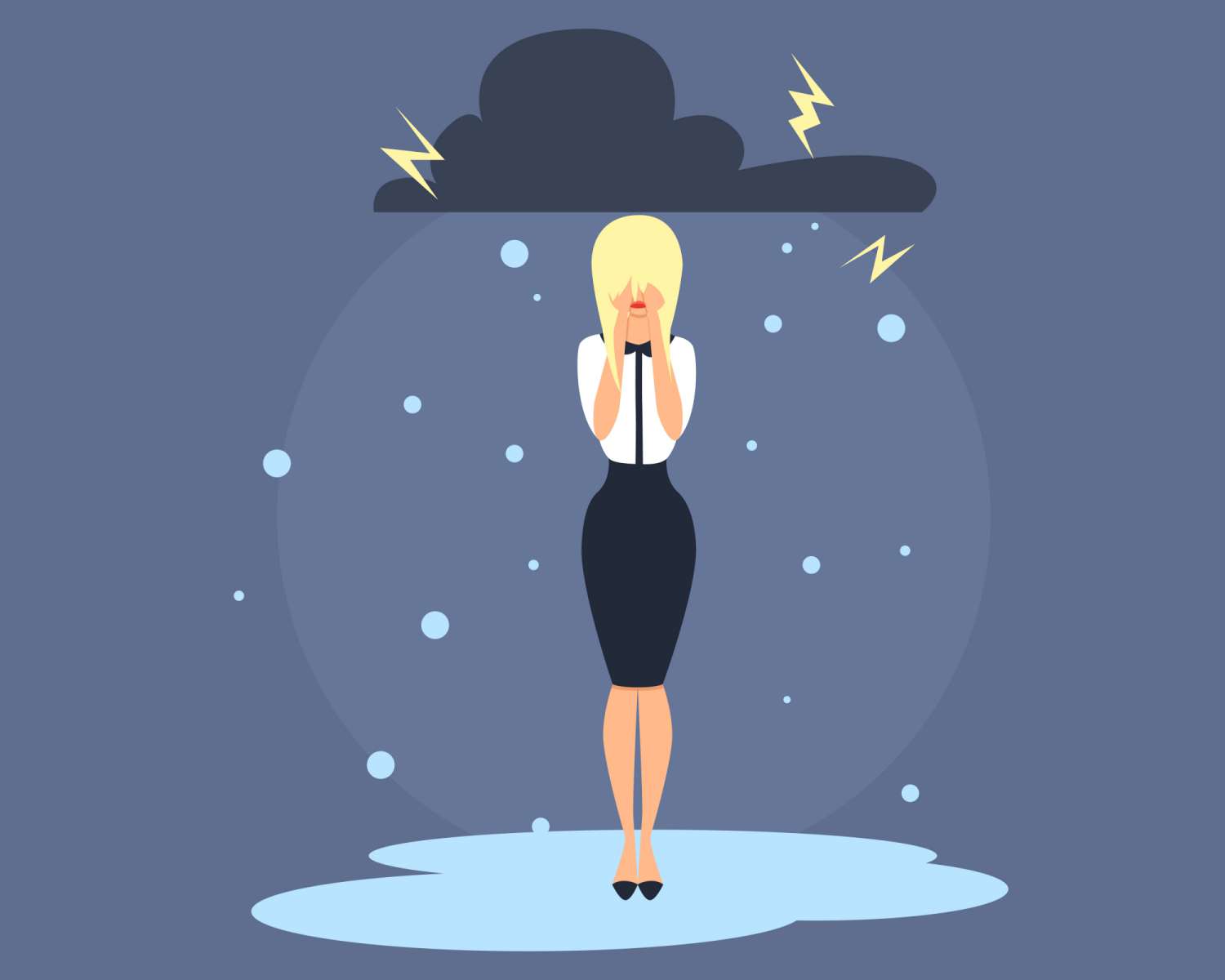
Can hypnotherapy help with depression? It can play a valuable supporting role for many people. Hypnotherapy works with the subconscious patterns that feed low mood, the harsh inner voice, the loss of connection with things that once mattered, and it works alongside your GP or psychologist, never instead of them. Matthew Tweedie offers private sessions in Adelaide and online.
If you are in crisis, having thoughts of suicide or self-harm, or worried you might act on them, please reach out now: call Lifeline on 13 11 14, or 000 in an emergency. Depression is a serious medical condition, and hypnotherapy is a complementary approach, not a substitute for assessment and care from your doctor. If you have not yet spoken with your GP about how you are feeling, that is the right first step, and this work can sit alongside whatever you and your doctor decide together.
What depression actually feels like
Depression is more than a low mood that passes in a few days. It is a persistent heaviness that colours everything: the flat grey filter over things you used to enjoy, the tiredness that sleep does not fix, the inner voice that keeps telling you that you are not enough, the effort it takes just to answer a message or leave the house. Some people feel intense sadness. Many feel something harder to describe, a numbness, a disconnection from themselves and the people around them.
It is also far more common than it feels from the inside. The World Health Organization estimates that hundreds of millions of people live with depression worldwide, and reported that depression and anxiety rose by around 25 percent in the first year of the pandemic. In Australia, depression remains one of the most common mental health conditions. If this is where you are right now, you are not weak, you are not broken, and you are certainly not alone.
Where hypnotherapy fits
Depression has many contributing factors: biology, life events, loss, stress, long-held beliefs about yourself formed years ago. Medical care and psychological therapy are the foundation of treatment, and for many people medication or counselling makes a real difference. Where hypnotherapy earns its place is alongside that foundation, working with the subconscious patterns that often keep the cycle turning.
Much of what maintains low mood runs on automatic: the self-critical inner dialogue, the way the mind replays failures and filters out wins, the loss of access to feelings of motivation and pleasure, the tension and fatigue the body carries. These patterns live below the level of willpower, which is why simply deciding to feel better rarely works. In a relaxed, focused state, hypnotherapy works with those patterns directly: softening the inner critic, reconnecting you with resources and memories the depression has been hiding from you, and rehearsing a gentler way of being with yourself. NLP and Timeline Therapy add precise tools for shifting how past experiences are held, without needing to relive them.
Is there evidence for hypnotherapy and depression?
There is encouraging research. A meta-analysis of controlled trials published in the American Journal of Clinical Hypnosis found hypnotherapy produced meaningful improvement in depressive symptoms, with effects comparable to other recognised psychological interventions in the studies reviewed. Research reviews have also noted that hypnosis approaches targeting rumination, self-esteem and sleep can support recovery. The evidence base is smaller than for frontline treatments like CBT and medication, which is one of the reasons this work is offered as a complement to medical care rather than a replacement for it.
Every person's experience of depression is different, so results vary. Many clients notice meaningful progress early, often within the first handful of sessions, particularly in sleep, self-talk and the sense of having some agency back.
What happens in a session
The first session is mostly a conversation, at your pace. What life looks like right now, when things changed, what support you already have in place, and what you would want back if the heaviness lifted a little. From there, the hypnotherapy itself is gentle. You settle into a deeply relaxed, focused state, aware and in control throughout, while we work with the patterns underneath the low mood. You will not be asked to relive traumatic or distressing experiences. Most people find sessions calming in themselves, and for someone whose system has been running on empty, that alone can be a relief.
How this works alongside your other care
If you are seeing a GP, psychologist or psychiatrist, this work is designed to complement what they do, and it is often most effective that way. If you are taking antidepressants, nothing in our work asks you to change that; medication decisions belong entirely with you and your doctor. If you have not yet had your low mood assessed by a doctor, I will encourage you to do so, both because depression can have physical contributors worth checking and because you deserve the full range of support.
How many sessions will I need?
It depends on how long the pattern has been running and what else is in place around you. Some people come for a specific piece, the inner critic, sleep, grief that has hardened into flatness, and feel movement within a few sessions. Longer-standing depression usually benefits from a structured program over weeks, reviewed as we go. You will always know what we are working on and why, and we will map a realistic expectation together in your first session.
“Matthew has truly changed my life for the better. He has helped me get back onto the path of unlocking my full potential, guiding me to rediscover my self-confidence and break free from destructive thoughts and patterns that held me back. From our first session, it was clear that I was in the hands of a skilled professional who genuinely cared about the outcomes I wanted to achieve.”
If the heaviness has been with you for a while and you are looking for something to work alongside the support you have, I would be glad to talk it through with you. A private, confidential conversation costs nothing and commits you to nothing.
Matthew Tweedie Hypnosis
166 Payneham Rd, Evandale SA 5069
0411 456 510
Frequently asked questions
Can hypnotherapy help with depression?
It can play a valuable supporting role for many people. Hypnotherapy works with the subconscious patterns that feed low mood, such as harsh self-talk, rumination and disturbed sleep, and research including a meta-analysis in the American Journal of Clinical Hypnosis has found meaningful improvement in depressive symptoms. It works best alongside care from your GP or psychologist, and results vary from person to person.
Is hypnotherapy a replacement for antidepressants or seeing my doctor?
No. Depression is a serious medical condition, and medical assessment comes first. Hypnotherapy is a complementary approach that sits alongside treatment from your GP, psychologist or psychiatrist. Any decision about medication belongs with you and your doctor, and nothing in this work asks you to change it.
Will I have to relive painful experiences?
No. The approach used here, combining hypnotherapy, NLP and Timeline Therapy, is designed to work with how past experiences are held without requiring you to relive them. Most people find sessions deeply calming.
What does hypnosis actually feel like?
A state of focused, comfortable relaxation. You stay aware, you can speak, and you can stop at any time. It is nothing like stage hypnosis, and there is no loss of control. Many people with depression say the relaxation itself is the deepest rest they have had in months.
How is this different from talk therapy?
Talk therapies like counselling and CBT work mainly with the conscious mind, and they help many people. Hypnotherapy works with the automatic, subconscious patterns underneath, the self-critical voice, the filtering of experience, the flatness. The two approaches complement each other, and some clients do both at once.
How quickly will I notice something?
It varies. Many clients notice early shifts in sleep, self-talk or energy within the first handful of sessions, while deeper, long-standing patterns take longer. We set a realistic expectation together in the first session, and review as we go.
Can hypnotherapy help with post-natal depression or bipolar disorder?
These conditions need medical care as the foundation, and that comes first. Where your treating doctor is involved and supportive, hypnotherapy can sometimes play a complementary role, for example with sleep, stress and self-talk. This is always coordinated with your medical care, never a substitute for it.
What if I am having thoughts of suicide?
Please reach out for immediate support: Lifeline on 13 11 14, or 000 in an emergency. Your GP is also a vital contact. Hypnotherapy is not a crisis service, and your safety comes before everything else. When the right supports are in place, this work can be part of the longer path back.
Do I need a referral or a diagnosis to book?
No referral is needed, and you do not need a formal diagnosis. If low mood has been weighing on you and you want to explore whether this approach fits, that is reason enough for a conversation. If you have not seen your GP about how you are feeling, I will encourage that as part of getting you properly supported.
Can we do sessions online?
Yes. Sessions are available in person at the Evandale rooms or as online video sessions across Australia and internationally, with research showing outcomes comparable to face-to-face work. On the days when leaving the house feels like too much, being able to do the session from home can be the difference between getting support and going without.
Matthew Tweedie is a clinical hypnotherapist and NLP Master Practitioner based in Adelaide, South Australia. He holds a Masters in Hypno-Psychotherapy and is currently completing a Masters of Counselling at the University of Canberra. He works with clients in person at his Evandale clinic and online across Australia and worldwide.
0411 456 510