
• Anxiety
    • Depression
    • Panic Attacks
    • Stress and Burnout
    • Health Anxiety
    • The Dissolve Anxiety Program
    • Retroactive Jealousy
    • Binge Eating
    • Sleep and Insomnia
    • IBS
    • Grief and Loss
    • Alcohol Addiction
    • Stop Smoking
    • Fear of Flying
    • Executives and High Performers
    • ARFID, Food Phobias and Picky Eaters
    • Male Sexual Performance Anxiety
    • Lose Weight
    • Fibromyalgia
    • Fear of Vomiting
    • Sugar Addiction
    • Sports Performance
    • Corporate Wellness
    • Saving a Relationship in Crisis
    • Feel Confidence
    • Heartbreak
    • NLP Business Coaching
    • Freedom form Phobias
    • NLP and Hypnosis for Forex and Day Traders Mindset
    • Transpersonal Development
    • Overcome Imposter Syndrome with NLP, Time Line Therapy, and Hypnotherapy
    • Enhancing Sports Performance and Confidence in Children and Teenagers with NLP and Hypnotherapy
    • Unleashing Your Child's Potential: Boosting Academic Success with NLP and Hypnotherapy
    • Master Medical School Using NLP and Hypnotherapy: Excel Academically and Unleash Your Potential
    • Overthinking
    • Overcome ADHD and Unlock Your Full Potential with NLP, Hypnosis, and Time Line Therapy
    • Overcoming Dyscalculia with Neuro-Linguistic Programming, Hypnosis, and Time Line Therapy
    • Unleashing Learning Potential: NLP, Hypnosis, and Time Line Therapy® for Dyslexia
    • Harnessing the Mind’s Potential: Overcoming Learning Disabilities
    • Other Services
    • Supervision
  • Counselling
  • NDIS
  • Podcast
  • Blog
    • Your Practitioner
    • Testimonials
    • FAQ
    • Tools
    • Courses and Education
    • Digital Course Bundles
    • Audio download
    • Free Stuff
  • Contact
Menu

Hypnotherapy & NLP Adelaide Anxiety

166 Payneham Rd
Evandale, SA, 5069
0411 456 510
Hypnotherapy and NLP for Anxiety and Binge Eating Adelaide

0411 456 510

Hypnotherapy & NLP Adelaide Anxiety

  • Services
    • Anxiety
    • Depression
    • Panic Attacks
    • Stress and Burnout
    • Health Anxiety
    • The Dissolve Anxiety Program
    • Retroactive Jealousy
    • Binge Eating
    • Sleep and Insomnia
    • IBS
    • Grief and Loss
    • Alcohol Addiction
    • Stop Smoking
    • Fear of Flying
    • Executives and High Performers
    • ARFID, Food Phobias and Picky Eaters
    • Male Sexual Performance Anxiety
    • Lose Weight
    • Fibromyalgia
    • Fear of Vomiting
    • Sugar Addiction
    • Sports Performance
    • Corporate Wellness
    • Saving a Relationship in Crisis
    • Feel Confidence
    • Heartbreak
    • NLP Business Coaching
    • Freedom form Phobias
    • NLP and Hypnosis for Forex and Day Traders Mindset
    • Transpersonal Development
    • Overcome Imposter Syndrome with NLP, Time Line Therapy, and Hypnotherapy
    • Enhancing Sports Performance and Confidence in Children and Teenagers with NLP and Hypnotherapy
    • Unleashing Your Child's Potential: Boosting Academic Success with NLP and Hypnotherapy
    • Master Medical School Using NLP and Hypnotherapy: Excel Academically and Unleash Your Potential
    • Overthinking
    • Overcome ADHD and Unlock Your Full Potential with NLP, Hypnosis, and Time Line Therapy
    • Overcoming Dyscalculia with Neuro-Linguistic Programming, Hypnosis, and Time Line Therapy
    • Unleashing Learning Potential: NLP, Hypnosis, and Time Line Therapy® for Dyslexia
    • Harnessing the Mind’s Potential: Overcoming Learning Disabilities
    • Other Services
    • Supervision
  • Counselling
  • NDIS
  • Podcast
  • Blog
  • Learn More
    • Your Practitioner
    • Testimonials
    • FAQ
    • Tools
  • Store
    • Courses and Education
    • Digital Course Bundles
    • Audio download
    • Free Stuff
  • Contact

Self-Sabotage Series – Article 1

December 13, 2018 Matthew Tweedie
Self sabotaging 1.png

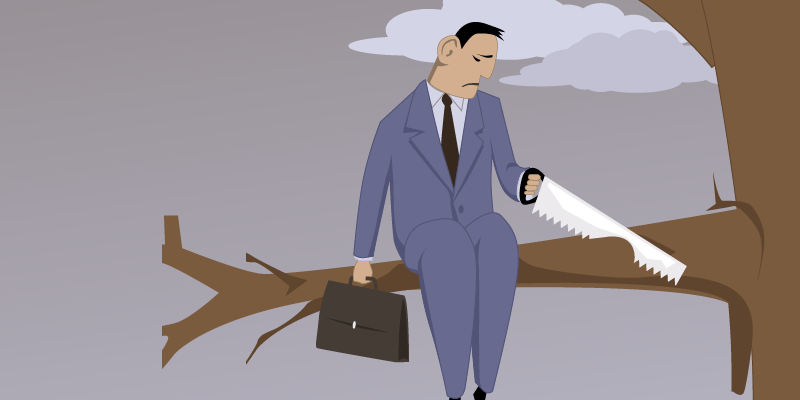
Self-Sabotage can hold you back from Achieving Your Goals.  

What is self-sabotage?

Self-sabotage is a pattern, or patterns, of behaviour of which cause problems and hold you back from achieving goals for your life. Among the most common self-sabotaging behaviours are procrastination, laziness, excessive alcohol use, poor food choices, fast food addiction, and being too lazy to exercise.

Some folk self-sabotage by binging on comfort foods, and even forms of self-injury such as cutting. Sometimes in the heat of the moment, these acts may seem helpful, but if they are ongoing will eventually cause harm. Unfortunately not everyone is aware that they are self-sabotaging, because they do not connect failure to the consequences of self-defeating behaviour. For example when something flops or fails, many are heard to say: “I just knew it wouldn’t work out.”

Self-defeating behaviour and a lack of belief may have the sunk their plans before they even got off the ground.

Studies have shown that it is nevertheless possible to overcome almost any form self-sabotage issues, even if you have not learnt anything from many disappointing experiences and failures.

How does self-sabotage happen?

Simply put, self-sabotage happens when you get in your own way when trying to do things. You may have accumulated some distorted beliefs that have led you to doubt your own capabilities, to suppress your feelings about certain things, or to lash out at those close to you for minor issues. 

You know that this is not the way you want to be, but feel powerless to change or control the destructive behaviours. Experts agree that the most important aspect of dealing with counterproductive behaviour, is to identify where it might be coming from.

Most people have goals, some big like reaching the top of your profession, and some small like sorting out your garage at home. There is always a likelihood that you may not reach all of the goals you have, but the problem does not lie in the goals you set, but more in the ways we prevent ourselves from meeting our goals when we indulge in self-sabotage.

Many of the self-sabotaging behaviours are the result of ingrained thought patterns and negative responses which caused you to lose touch with your life goals and personal values. 

Factors which contribute to self-sabotaging.

There are some behaviours which help to lead you into a self-sabotaging mode.

·      Being afraid of your thoughts.Some of your thoughts may have power over you, and influence your behaviour. In your mind, you decide that the best way to cope is to suppress the thought, and not process it. If there has been drama, you begin to doubt and obsess about what has happened, and are often stuck in no-mans-land, unable to put things right, even though you may want to. 

·      If only. This is the most used phrase uttered in moments of regret in life. In the sports world for example, golfers often say “wow, I would have wonif onlyI didn’t miss that last putt” while a footballer might castigate himself for missing a penalty which cost the game. You may be labouring under the regret of missed opportunities and always wonder what would have happened if only you had done things differently. This attitude results in self-sabotaging doubt in yourself, which can affect future decisions you might have to make.


·      Hiding your feelings. When you hide your feelings, especially when something has upset you, the emotions build up and grow worse. Acknowledging your feelings, but without a hysterical outburst, will provide healing for your emotions and your self-esteem.


·      Procrastination.Don’t get into the habit of doing everything tomorrow, which can easily be done to day. Sometimes the tomorrows just never seem to come, and you begin to feel worse and worse as things mount-up and become more urgent.

These are just a few of the behaviours which may need attention and change.


How behavioural therapy can help you.

Behavioural experts agree that Cognitive Behavioural Therapy (CBT) in conjunction with Neuro-Linguistic Programming (NLP) is a recommended way to move forward.

CBT is a therapy used to help you manage your problems by changing the way you think and behave, as well as developing personal coping strategies.

NLP is a set of tools and techniques which helps to access the subconscious mind where many of the self-sabotaging attitudes are lurking. You will learn how to overcome the problem issues and achieve the goals you have set for yourself.

Studies have shown that ECBT (Enhanced CBT) and NLP and Hypno-Psychoterapy are excellent methods to give you a new mindset, restore self-confidence, and get rid of self-sabotaging issues.


In Self Sabotage, Self-defeating behaviour Tags laziness, poor food choices, life goals, missed opportunities, Procrastination
← Self-Sabotage Series – Article 2How Hypnosis and Neuro-Linguistic Programming (NLP) can help you be your best →
No results found
Featured
mogravy_Close-up_of_a_small_cautious_stack_of_poker_chips_hel_86a93634-af9f-4631-980e-6a783f13bc74_2.png
July 22, 2026
The Quiet Saboteurs: Disappointment, Fear and the Emotions That Shrink Your Game
July 22, 2026

Tilt gets all the attention, but the quiet emotions cost just as much. How fear, disappointment and shame shrink your game while looking like discipline.

July 22, 2026
0_1.png
July 13, 2026
Tilt, Anger and Rage: The Heat That Hijacks Your Decisions
July 13, 2026

Of all the things that limit a poker player, the hot reactions are the ones everyone can name. Tilt. Anger after a bad beat. The slow burn of frustration across a losing session. The flash of rage when the same opponent rivers you again. Players talk about these openly, half as a joke and half as a confession, because almost everyone has felt them and almost everyone has lost money to them.

July 13, 2026
mogravy_Close-up_of_poker_chips_in_neat_stacks_and_two_face-d_ebfa138e-e741-43c4-98c6-6da3fc89b7da_0.png
July 8, 2026
The Emotional Game Beneath the Cards: Why Your Best Poker Lives or Dies in Your Nervous System
July 8, 2026

If you play poker seriously, you have probably had the same unsettling experience more than once. You study. You review hands. You understand ranges, position, pot odds and the maths of the situations you keep finding yourself in. Away from the table, calm and unhurried, you make good decisions almost automatically. Then you sit down, the cards come out, something goes against you, and a different

July 8, 2026
mogravy_quiet_airport_terminal_walkway_at_soft_golden_hour_tr_f3c9275c-9d8b-4fd1-ada2-ddbf34ad52d6_1.png
June 29, 2026
Shy Bladder Syndrome: Why Your Body Won't Let You Go in Public
June 29, 2026

You walk up to the urinal, or step into a busy airport restroom, or close the narrow door of an aeroplane lavatory. You need to go. You have needed to go for a while. And nothing happens. The harder you focus, the more your body seems to lock. Footsteps approach, a tap runs, someone shifts their weight in the next stall, and the window closes completely. You give up, wash your hands, and walk out still needing to go.

June 29, 2026
mogravy_Person_lying_in_bed_in_soft_pre-dawn_light_eyes_open__2f9bdc7b-b584-4f3d-80c3-fe5097cca9bd_1.png
June 23, 2026
How Hypnotherapy Works for Insomnia: Reaching the Patterns That Conscious Effort Cannot Touch
June 23, 2026

Hypnosis is widely misunderstood, and those misunderstandings tend to make people either dismiss it or fear it. Neither response is warranted. The reality of clinical hypnotherapy is much quieter and more practical than the popular image suggests.

June 23, 2026
mogravy_Woman_sitting_on_the_edge_of_a_bed_in_early_morning_l_7d1e599d-4fbf-44d4-9756-6b632ba969c6_1.png
June 17, 2026
Why Sleep Hygiene Is Not Enough: The Limits of Conscious Effort for Chronic Insomnia
June 17, 2026

If you have done everything you have been told to do, maintained a consistent sleep schedule, cut out caffeine, put your phone in another room, bought the right pillow, lowered the room temperature, taken the supplements, tried the meditation apps, and still spent night after night lying awake, you may be wondering what you are doing wrong.

June 17, 2026

MATTHEW TWEEDIE HYPNOSIS - Hypnotherapy Adelaide
166 Payneham Rd Evandale, SA 5069
Australia         Phone: 0411 456 510 Email:[email protected]             General